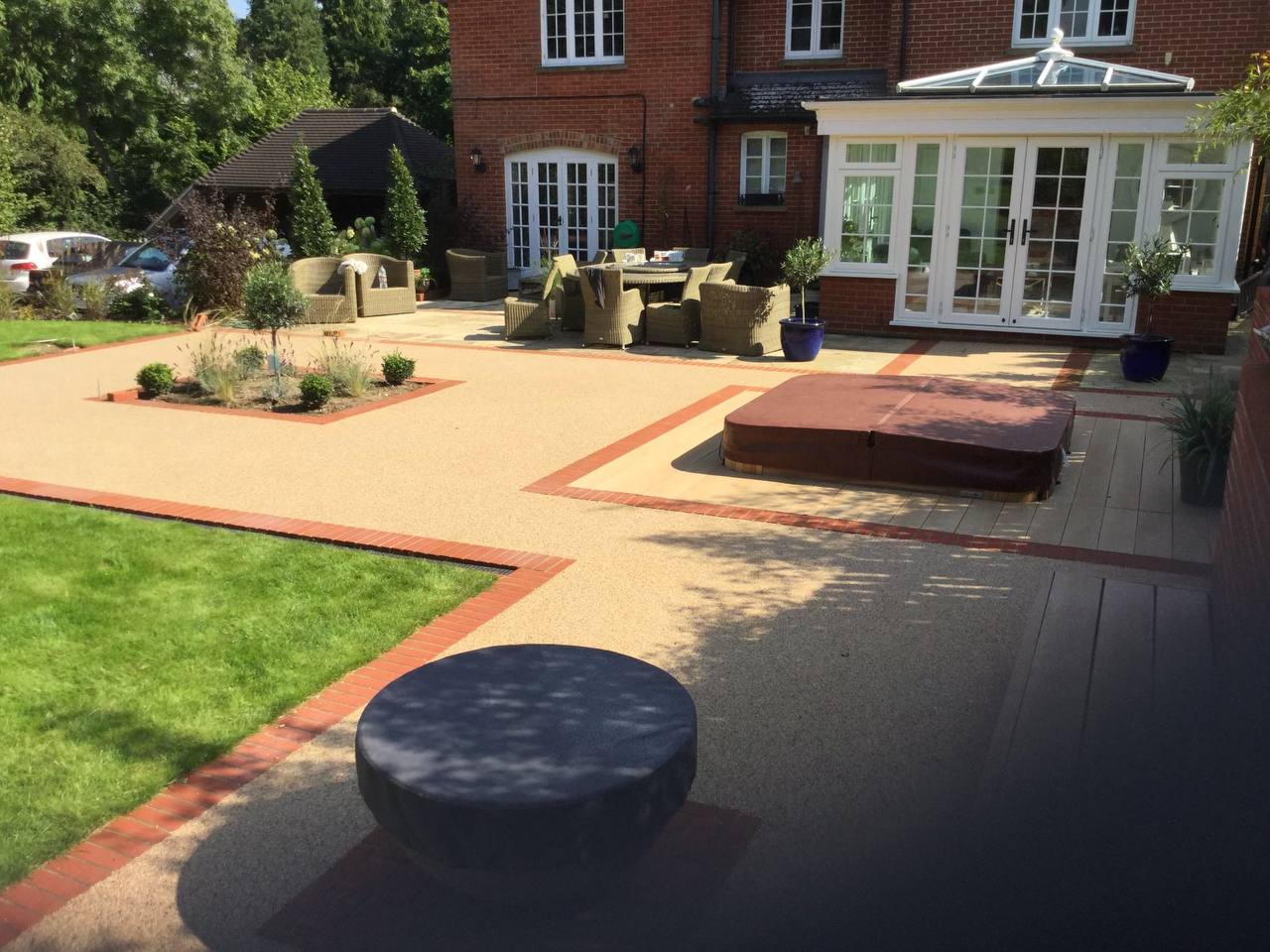
Is Tarmac the Right Choice for a Driveway That Handles Daily Vehicle Traffic?
Why Tarmac Is Well Suited to Frequently Used Driveways
A driveway used by several vehicles every day needs more than an attractive surface. It must cope with repeated movement, vehicle weight, turning forces and changing weather without quickly becoming uneven or difficult to use.
Tarmac is a practical option for busy residential driveways because it forms a smooth, continuous and durable surface. However, its long-term performance depends heavily on the preparation beneath it, effective drainage and professional installation.
How Tarmac Handles Regular Vehicle Movement
Tarmac is designed to withstand frequent vehicle traffic. Its compacted structure distributes loads across the driveway rather than concentrating pressure on individual surface units.
This makes it particularly suitable for households where vehicles enter and leave several times each day. A correctly constructed tarmac driveway can comfortably accommodate:
- Regular car movements
- Multiple household vehicles
- Repeated parking in the same areas
- Turning and manoeuvring
- Occasional access by heavier vehicles
The thickness and specification of each driveway should reflect its intended use. A surface designed without considering likely traffic may deteriorate prematurely, regardless of the material chosen.
The Importance of a Strong Sub-Base
The visible tarmac is only one part of a reliable driveway. Beneath it, a well-prepared sub-base provides the stability needed to resist movement and settlement.
If the foundation is too shallow, poorly compacted or laid over unsuitable ground, the surface may develop depressions, cracks or wheel tracks. Simply adding new tarmac over an unstable base will not correct these underlying weaknesses.
Professional preparation normally includes excavating to the appropriate depth, removing unsuitable material and installing a properly compacted aggregate sub-base. This creates a consistent platform for the surface layers.
A Smooth Surface for Everyday Access
One of the main benefits of tarmac is its smooth, joint-free finish. Vehicles can move across it easily, while the absence of wide joints reduces the opportunities for weeds and loose material to appear across the main surface.
A smooth driveway also makes routine sweeping straightforward. Because tarmac can be laid around curves, entrances and existing features, it can suit a wide range of driveway shapes without creating awkward transitions.
Drainage Must Be Considered Carefully
Water is a major factor in the deterioration of any driveway. If rainfall is allowed to collect on the surface or penetrate the supporting layers, it can weaken the construction and contribute to cracking or settlement.
A tarmac driveway should be formed with suitable falls so that water moves towards the intended drainage points. The design must account for:
- The natural levels of the site
- The position of the property and garage
- Low points where water could collect
- Connections with paths and entrances
- The direction of surface run-off
Drainage should be planned before installation begins. Trying to correct poor falls after the driveway has been surfaced can be far more disruptive.
Edge Support Protects the Surface
The edges of a tarmac driveway are more vulnerable than the central area because they do not have the same surrounding support. Repeatedly driving over an unrestrained edge can cause it to crack or break away.
Secure edging helps contain the surface and maintain the driveway’s shape. It can also create a neat visual boundary between the tarmac and nearby lawns, planting areas or paths.
Drivers should avoid regularly placing wheels partly on and partly off the driveway, particularly near corners and narrow access points. Correct dimensions and edge detailing help reduce this problem.
Can Tarmac Cope With Parked Vehicles?
Tarmac is suitable for regular parking when the driveway has been designed and installed for that purpose. The sub-base must be capable of supporting the expected loads, and the surface needs sufficient compaction.
Vehicles should also be parked considerately. Repeated sharp steering while stationary can place concentrated stress on the surface, especially during hot weather. Turning the wheels while the vehicle is moving slightly reduces this pressure and helps protect the finish.
Signs That an Existing Driveway Needs Attention
A busy driveway should be inspected periodically for early changes. Warning signs may include:
- Fine cracks beginning to spread
- Depressions forming beneath parked vehicles
- Loose or crumbling edges
- Water remaining after rainfall
- Surface movement near drainage channels
- Weeds appearing through damaged sections
- Areas that feel uneven when driven over
These symptoms can indicate surface wear, drainage faults or movement within the supporting layers. Identifying the cause early allows appropriate repair work to be considered before deterioration becomes more extensive.
Professional Installation Makes the Difference
The quality of a tarmac driveway depends on far more than the final surface. Ground conditions, excavation depth, sub-base construction, levels, drainage and edge restraints must all work together.
An experienced driveway contractor will assess how the area is used before recommending a suitable construction. This ensures the driveway is designed around actual vehicle movements rather than appearance alone.
Conclusion
Tarmac can be an excellent choice for a driveway that handles daily vehicle traffic. It provides a smooth, durable and practical surface, but only when supported by a stable sub-base, effective drainage and secure edging.
If you are considering a new tarmac driveway in Sevenoaks, Kent, Sevenoaks Driveways can assess your property, discuss how the area will be used and recommend an appropriate installation. A carefully planned driveway will be better equipped to provide dependable everyday access for years to come.
Call us on: 01732 442 199
Click here to find out more about Sevenoaks Driveways
Click here to complete our contact form and see how we can help with your Driveways needs.